ROI Expectations for Home Additions
Home additions can provide meaningful returns, but ROI varies depending on scope, design quality, and market conditions. In general, homeowners may recoup anywhere from 25% to 80% of project costs, with higher returns typically seen in kitchens, bathrooms, and primary suite expansions.
In Massachusetts, ROI tends to be stronger than national averages in certain cases due to:
- High housing demand and limited inventory
- Buyer preference for move-in-ready homes
- Strong appreciation in suburban markets
However, it’s important to remember that additions should be designed for both personal use and future resale appeal, not just square footage increase.
Which Home Additions Add the Most Value?
Not all home additions deliver equal returns. Some consistently stand out in terms of buyer demand and appraisal impact.
Kitchen Expansions and Open-Concept Layouts
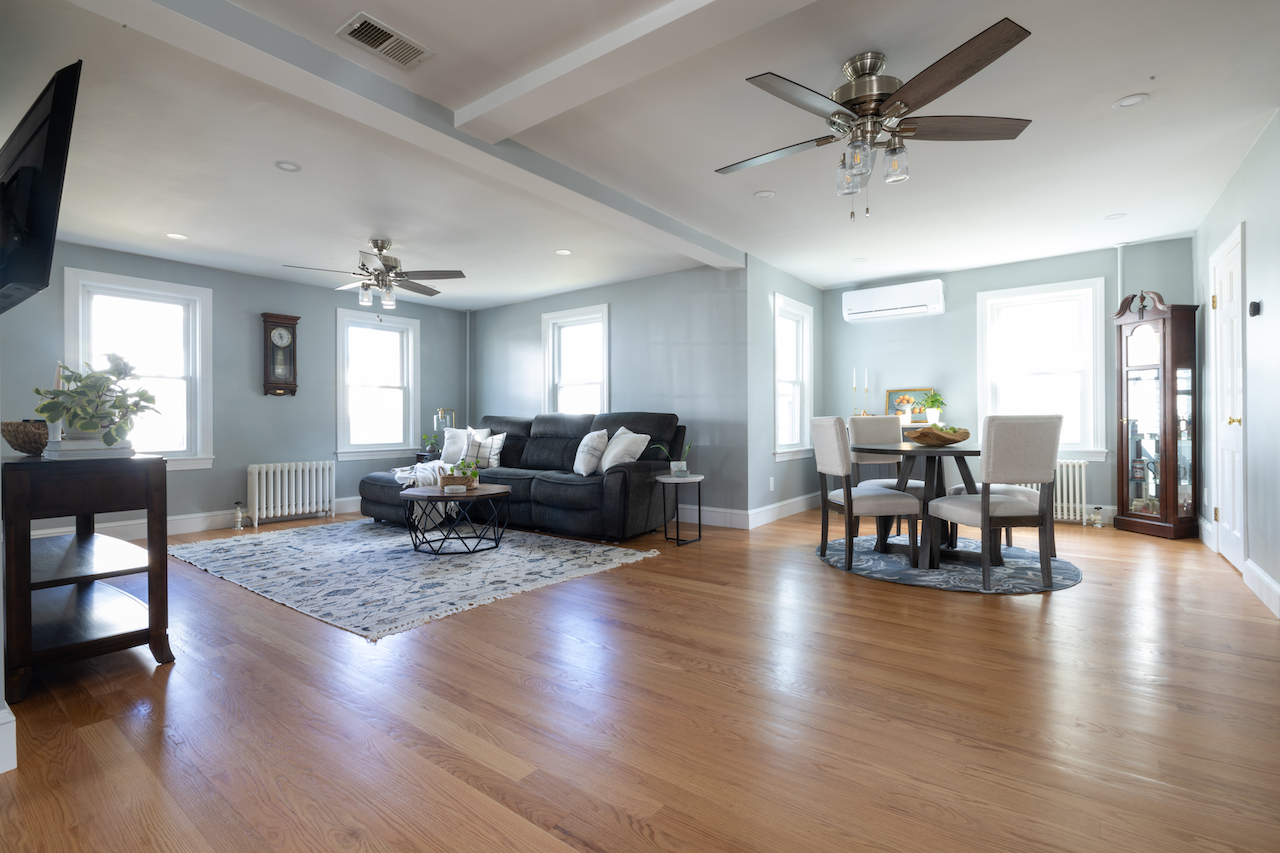
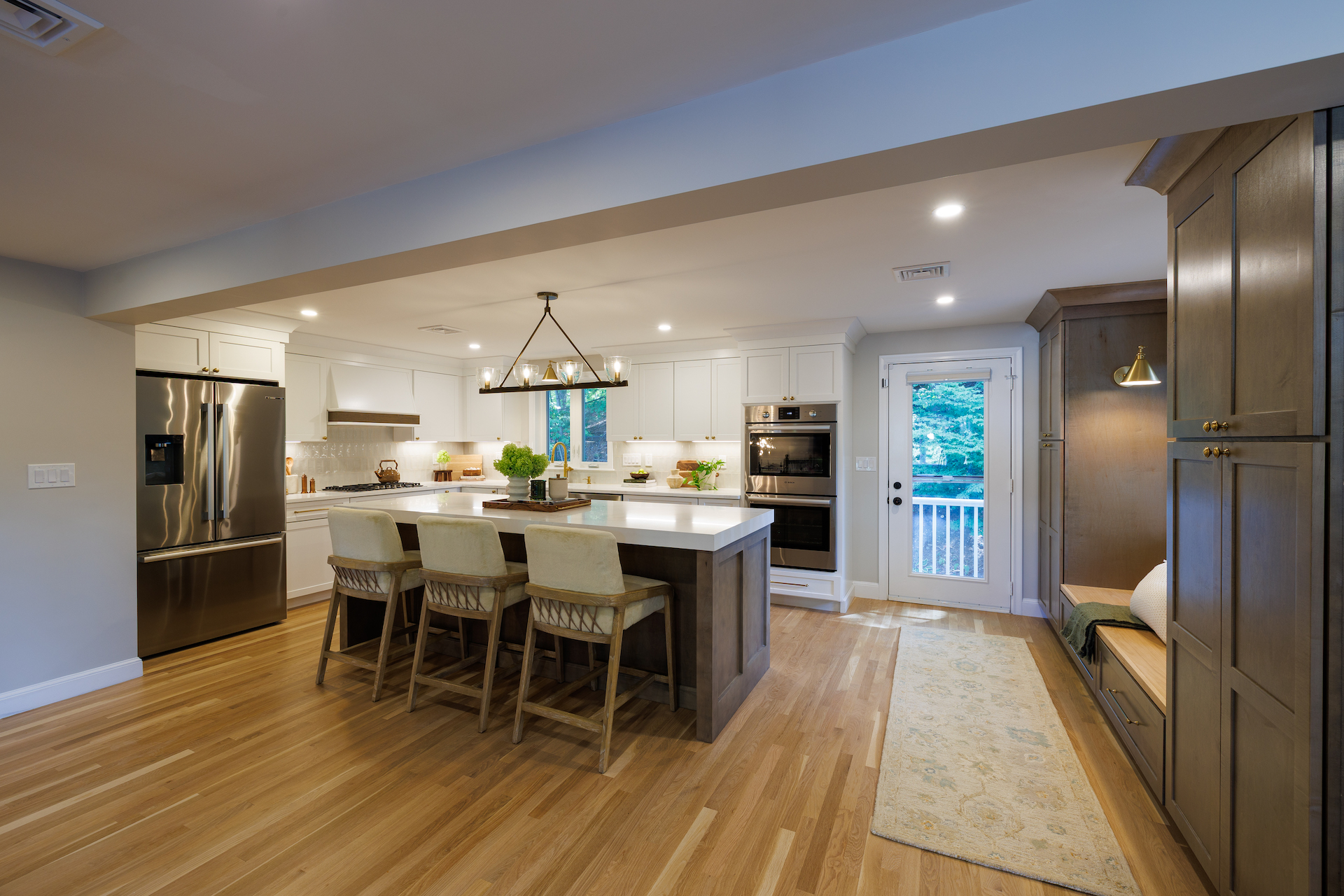
Expanding the kitchen or creating an open-concept living space is one of the most valuable upgrades a homeowner can make. Kitchens are the central hub of the home, and modern buyers prioritize spacious, functional layouts.
Benefits include:
- Improved flow between kitchen, dining, and living areas
- Strong buyer interest during resale
- High perceived value in competitive markets
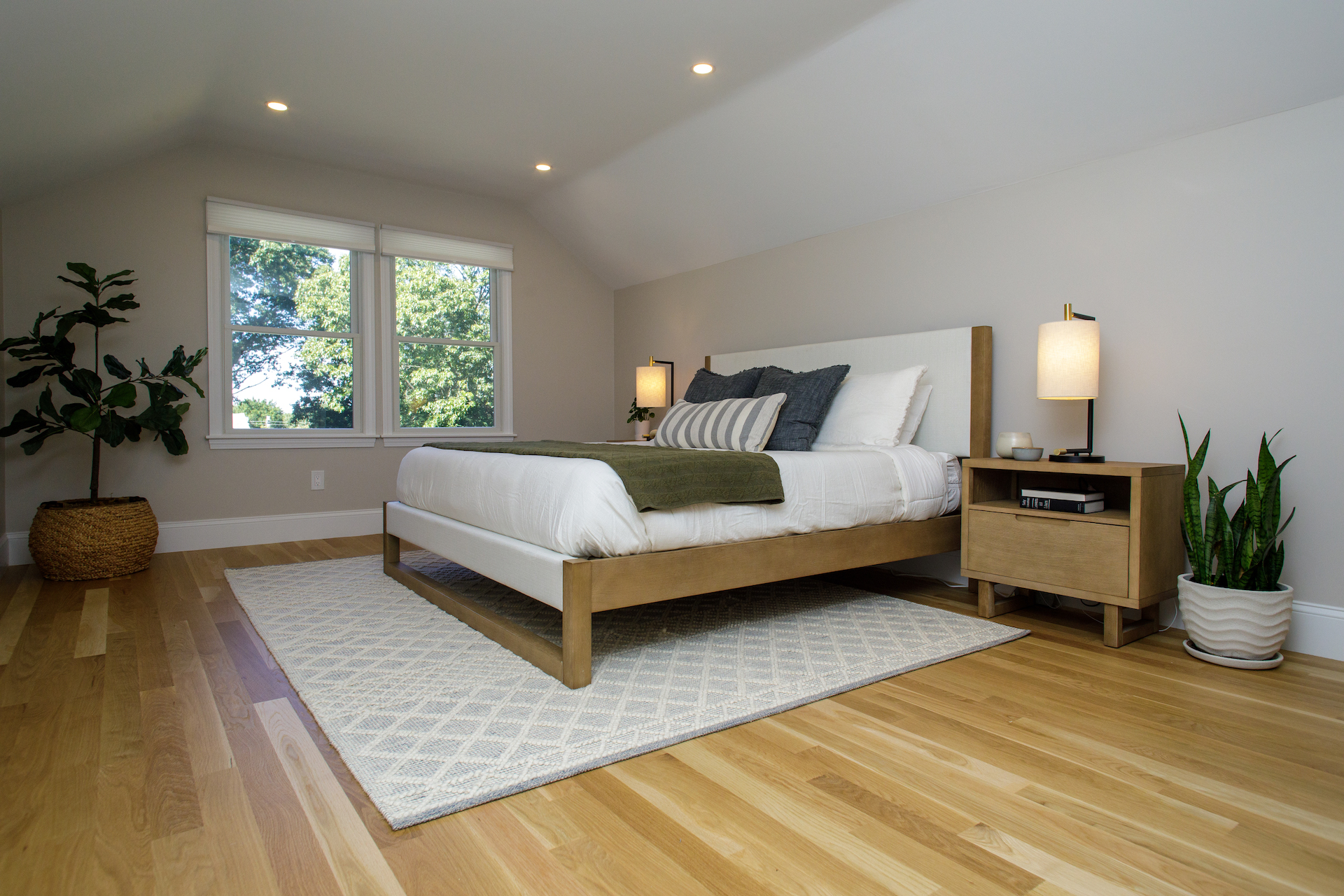
Primary Bedroom Suites
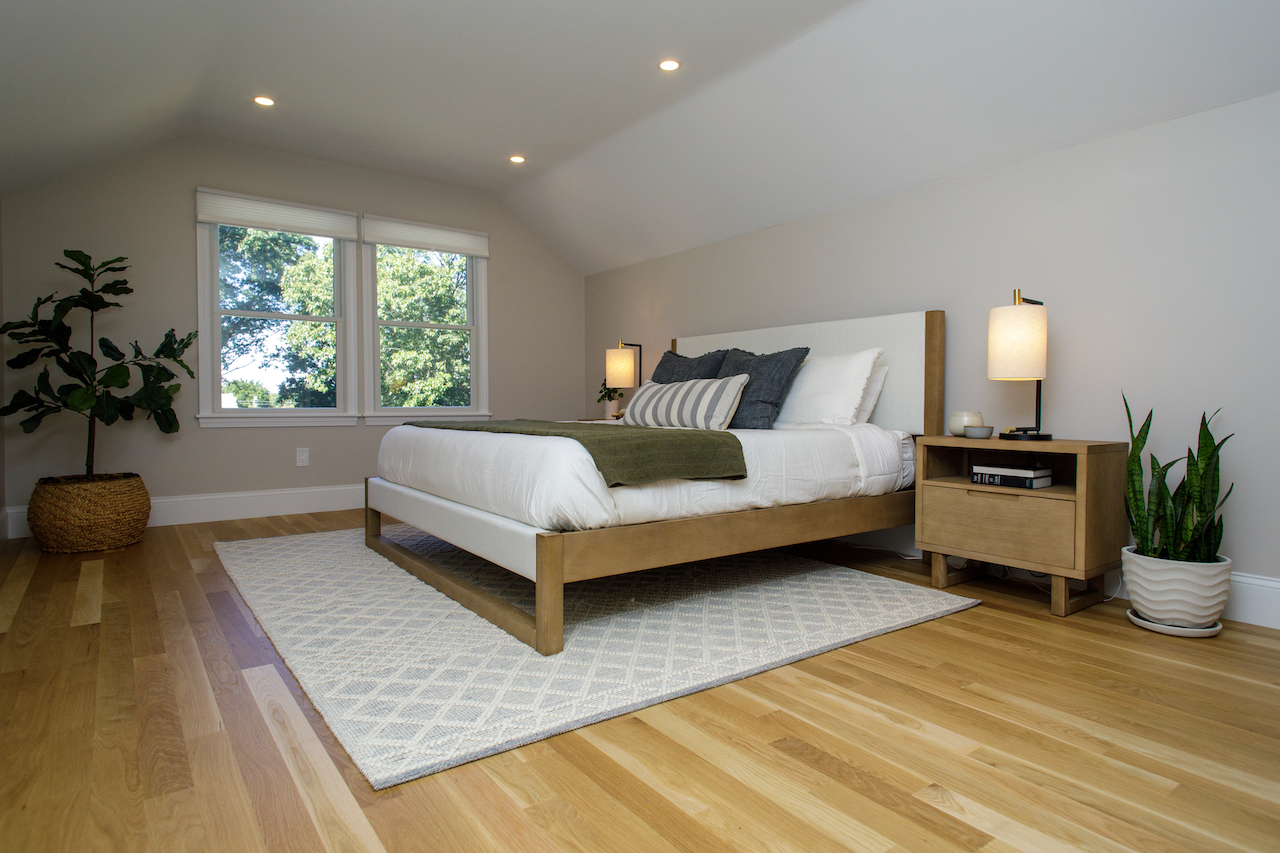
Adding a primary suite is another high-impact investment that enhances comfort and resale value. Buyers increasingly expect private, well-appointed bedroom retreats.
Common features include:
- Walk-in closets
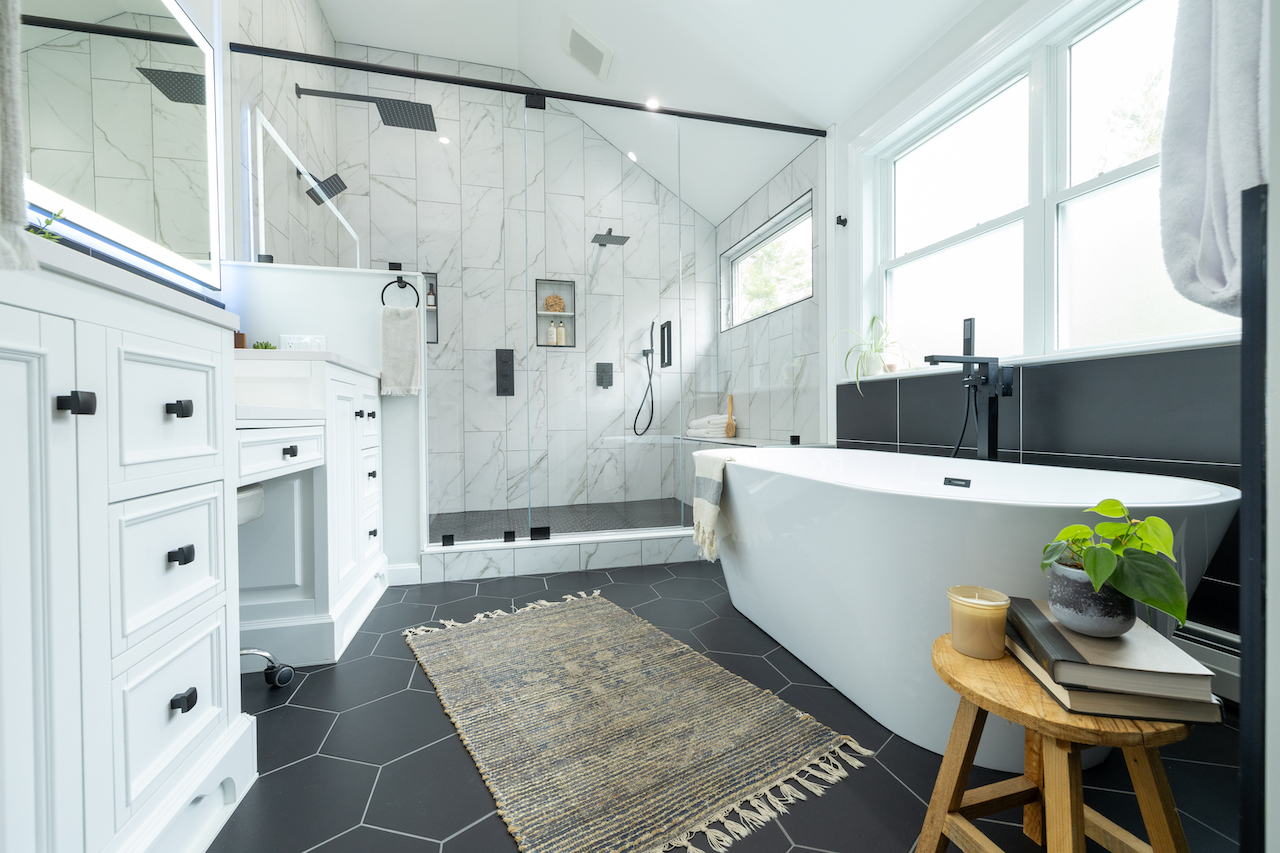
- Private bathrooms
- Increased bedroom square footage
- Improved privacy and separation from other rooms
Bathroom Additions
Additional bathrooms are consistently among the most practical and valuable upgrades.
They help:
- Reduce household congestion
- Increase functionality for families and guests
- Improve listing competitiveness in older homes
Even a modest half-bath addition can significantly improve marketability.
Extra Bedrooms and Flexible Spaces
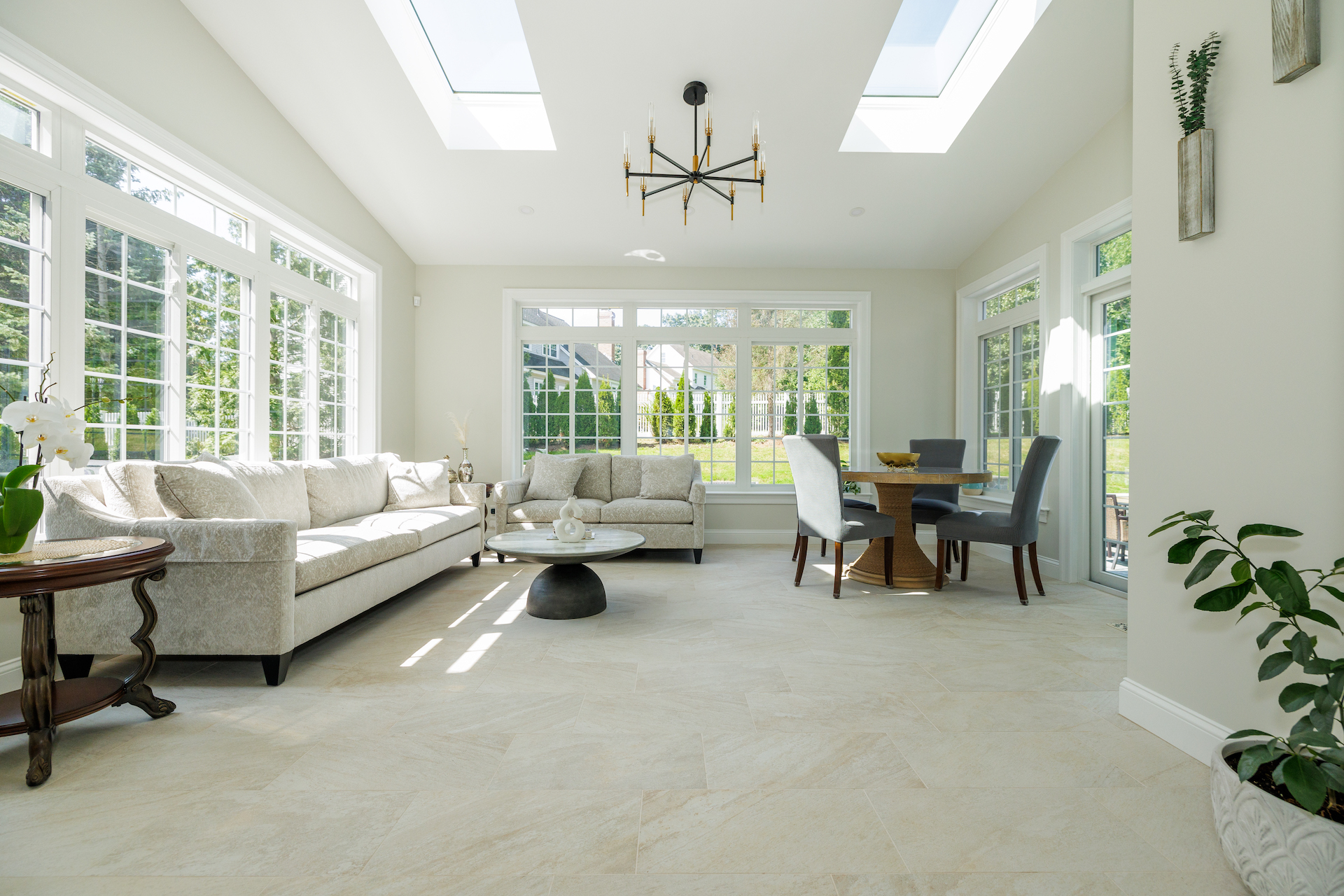
Adding bedrooms or flexible living areas expands a home’s buyer pool and overall value.
These spaces can function as:
- Guest rooms
- Home offices
- Playrooms or dens
- Multi-purpose bonus rooms
More functional space often translates directly into higher appraisal value.
ADUs and In-Law Suites
Accessory dwelling units (ADUs) and in-law suites are growing in popularity across Massachusetts due to multigenerational living and rental income potential.
They offer:
- Additional income opportunities
- Long-term flexibility
- Increased resale appeal for a wider range of buyers
Market Considerations in Massachusetts
While the type of addition matters, local market dynamics often determine final ROI.
Key considerations include:
- Neighborhood value ceilings that limit over-improvement
- Buyer expectations for updated kitchens and bathrooms
- Local zoning laws and permitting requirements
- Energy efficiency and modern design preferences
Understanding these factors early helps homeowners avoid overbuilding and ensures the addition aligns with what the local market will support.
Resources like Provost Companies’ planning insights on home additions in Massachusetts can help homeowners navigate zoning, design, and budgeting before construction begins.
Planning for Maximum Value
To maximize ROI and long-term satisfaction, homeowners should focus on:
- Designing additions that match neighborhood standards
- Prioritizing high-demand spaces like kitchens and baths
- Using durable, timeless materials
- Avoiding overly niche or personalized design choices
- Working with experienced local builders who understand Massachusetts regulations
A well-executed addition should enhance daily living while strengthening resale potential.
Concluding thoughts
A home addition in Massachusetts can be a powerful investment when planned strategically. The highest returns typically come from kitchen expansions, bathroom additions, primary suites, and flexible living spaces that align with buyer expectations.
By working with a skilled builder like Provost Companies, homeowners can ensure their addition is not only beautifully designed and functional—but also positioned to maximize long-term property value in a competitive real estate market.