Detached vs. Attached ADUs: Choosing the Right Design for Your Property
One of the first decisions homeowners face during ADU planning is whether to build an attached or detached unit. Each option offers different advantages depending on lot size, zoning regulations, privacy preferences, and construction goals. Understanding these differences helps homeowners make better long-term design decisions.
As accessory dwelling units continue growing in popularity across Massachusetts, more homeowners are exploring how these flexible living spaces can support multigenerational living, guest accommodations, home offices, and future housing needs. However, choosing between an attached or detached ADU is one of the most important early planning decisions because it affects everything from layout and privacy to construction costs and long-term property functionality.


Attached ADUs: Connected Convenience and Efficient Construction
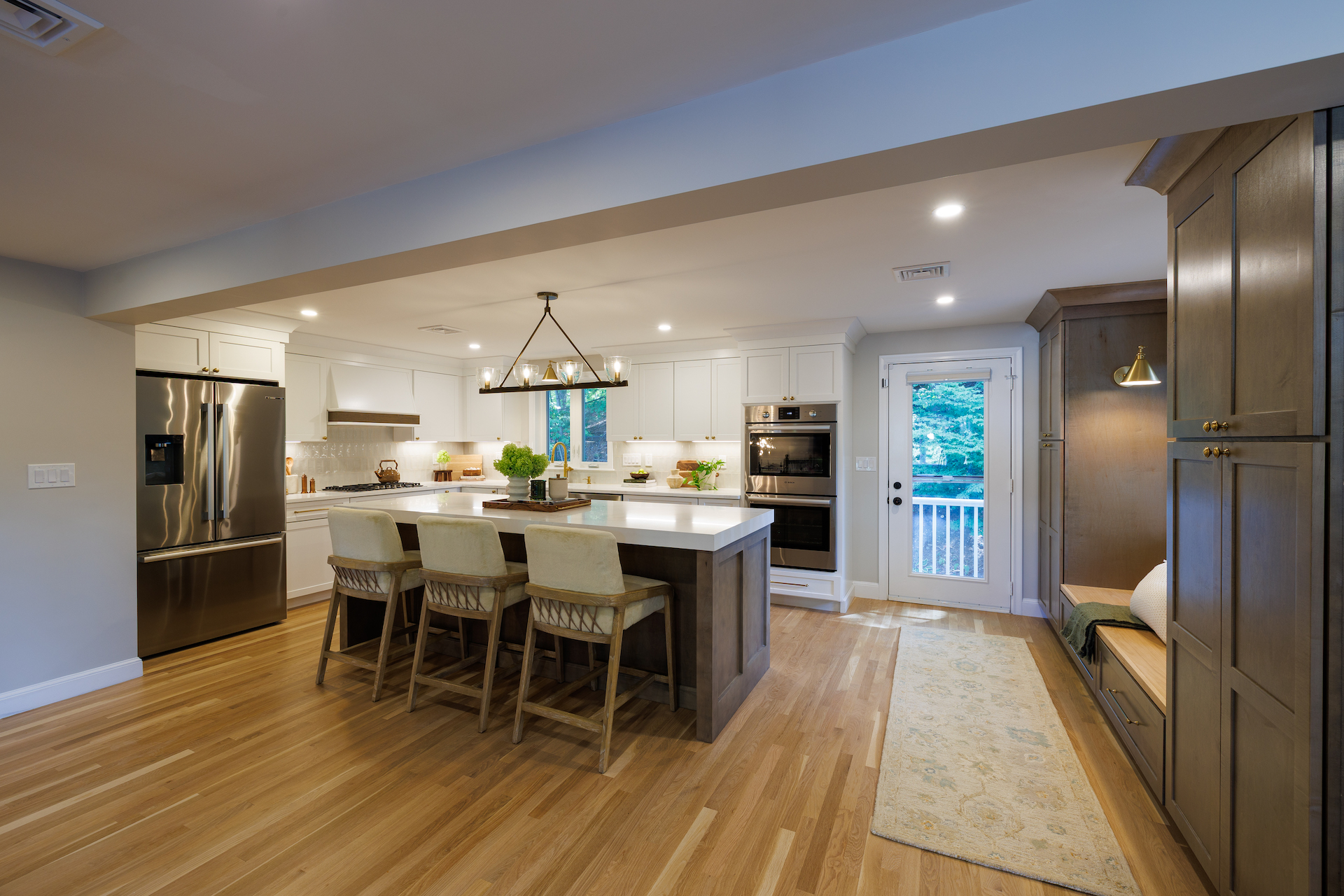
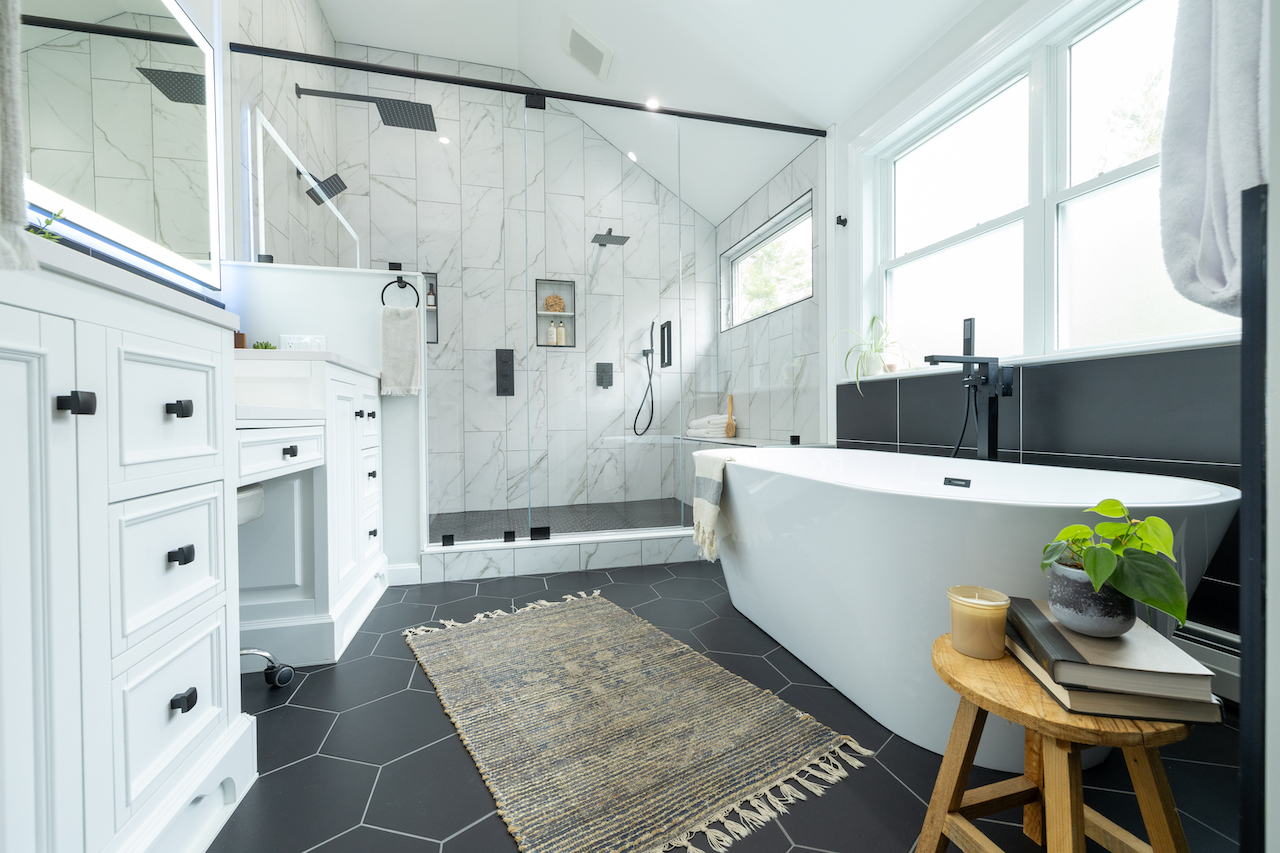
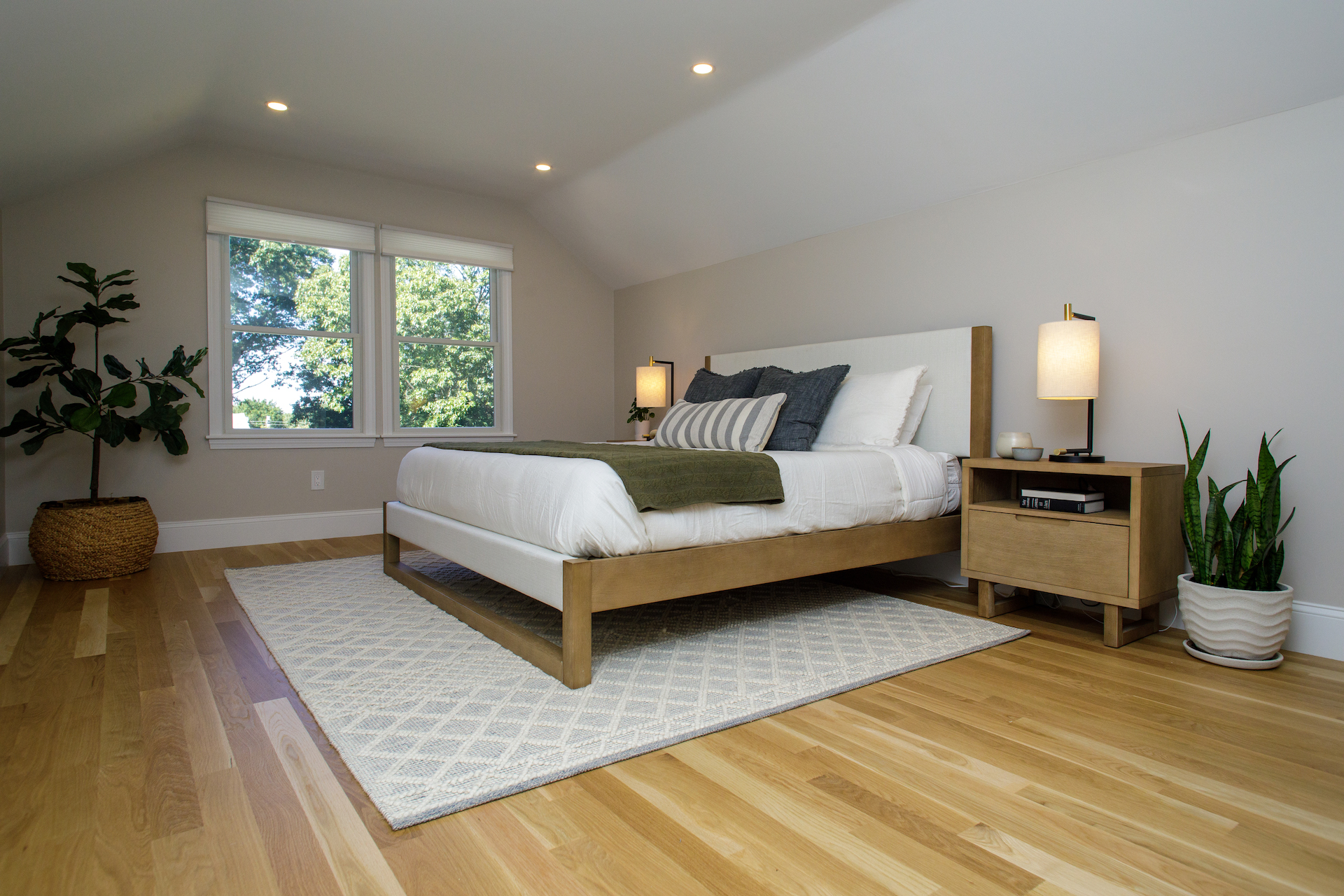
Attached ADUs are built as part of the primary residence or directly connected to it. They may involve converting existing square footage, building over garages, or constructing additions that integrate seamlessly into the home’s existing structure.
Because attached ADUs share at least one wall with the main home, they are often more cost-efficient to build than detached units. Existing utility connections, roofing systems, and structural components can sometimes be incorporated into the new design, reducing overall construction complexity.
Attached ADUs are commonly used for:
- In-law suites
- Guest accommodations
- Adult children returning home
- Caregiver housing
- Long-term family living arrangements
One major advantage of attached units is convenience. Shared access to utilities and closer proximity to the primary residence can simplify maintenance and daily living arrangements.
In some municipalities, attached ADUs may also encounter fewer zoning or setback restrictions compared to detached structures, making them easier to approve on smaller lots.
However, attached units typically provide less separation and privacy than detached designs. Noise transfer, shared entrances, and closer living proximity may become considerations depending on how the space is used over time.
Comparing Detached and Attached Accessory Dwelling Unit Designs
While both attached and detached ADUs serve the same core purpose—creating additional independent living space—the way they integrate with the existing property can vary significantly.
The best option often depends on:
- Available lot space
- Local zoning requirements
- Budget considerations
- Desired level of privacy
- Existing home layout
- Long-term property goals
Understanding how these factors interact can help homeowners make a more informed decision before moving into the design and permitting phase.
Detached ADUs: Greater Privacy and Long-Term Flexibility
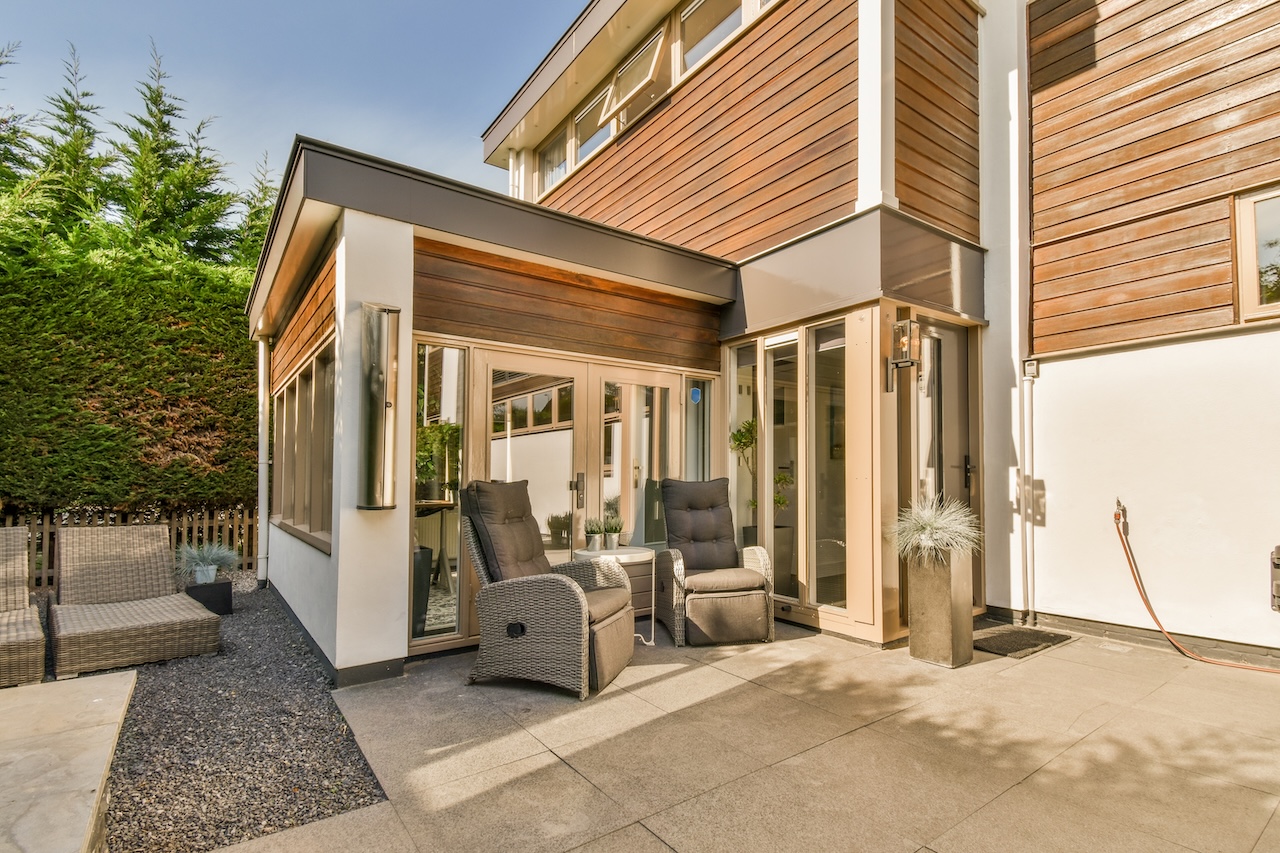
Detached ADUs are fully separate structures built independently from the main home. These units are often constructed in backyards or on unused portions of the property, creating standalone living environments with greater independence and privacy.
Detached units can offer:
- Greater privacy for occupants
- Reduced noise transfer
- Independent entrances and outdoor areas
- More flexibility for future use
- Stronger separation between households
These features make detached ADUs particularly attractive for multigenerational living situations where both parties want independence while remaining close together.
However, detached ADUs generally involve higher construction complexity. Separate foundations, utility connections, drainage systems, and site work can increase overall project costs compared to attached options.
Lot size and zoning regulations also become more important factors with detached construction. Setback requirements, lot coverage limits, and building height restrictions can all affect whether a detached unit is feasible on a specific property.

Long-Term Flexibility and Property Value
Both attached and detached ADUs can significantly improve long-term property flexibility and usability. The right choice depends largely on how homeowners expect the space to function over time.
Some homeowners prioritize close family integration and cost efficiency, making attached units the ideal fit. Others prioritize privacy, future rental opportunities, or independent living arrangements, making detached structures more attractive.
In either case, professionally designed ADUs can:
- Increase usable living space
- Improve multigenerational living flexibility
- Support aging-in-place strategies
- Enhance long-term property value
- Create adaptable future housing options
As housing needs continue evolving, accessory dwelling units are increasingly viewed as long-term investments rather than short-term additions.
Zoning and Property Considerations Matter
Before choosing between attached and detached ADUs, homeowners should carefully evaluate local zoning regulations and site limitations.
Municipal requirements may affect:
- Minimum lot size
- Maximum ADU square footage
- Parking requirements
- Utility access
- Building setbacks
- Occupancy restrictions
- Height limitations
Because these rules vary significantly by municipality, early planning with experienced professionals is critical.
Working with contractors experienced in ADU planning and permitting helps homeowners identify potential limitations early and avoid costly redesigns later in the process.
The team at Provost Companies emphasizes careful planning during the early design phase to ensure accessory dwelling units align with both homeowner goals and local construction requirements.